

Managing finances well is key for any business, but it’s even more important for franchisees. They face special challenges like royalties and fees.
It’s vital to grasp these financial aspects. This ensures that both franchisors and franchisees get the most out of their partnership.
To tackle these issues, a strong franchise financial management system is needed. If you want to improve your financial management or find the right franchise, Tavana Franchise consultants are ready to help.
Key Takeaways
- Effective financial management is crucial for franchise success.
- Understanding royalties and fees is essential for transparency.
- A robust financial management system helps navigate complexities.
- Tavana Franchise consultants offer personalized guidance.
- Optimizing financial management can benefit both franchisors and franchisees.
The Franchisee Accounting Landscape
Franchisees face a complex world of financial management. This includes bookkeeping and financial reporting. They must handle royalties, fees, and keep the brand consistent. All while following the franchisor’s rules.
Current Challenges in the Franchise Industry
The franchise world has many hurdles. These include:
- Managing complex royalty payment structures
- Maintaining accurate financial records
- Ensuring compliance with franchisor requirements
- Navigating industry-specific tax regulations
Why Proper Financial Management Matters for Franchisees
Good financial management is key for franchisees. It helps them:
- Make informed business decisions
- Maintain transparency with franchisors
- Optimize financial performance
- Ensure compliance with regulatory requirements
By using strong franchisee bookkeeping and franchisee financial reporting, franchisees can manage their finances well. This leads to business success.

Case Study Background: Meet Our Subject Franchise
Robyn Welch started as a franchisee with First Class Accounts. Her story sheds light on the financial hurdles new franchise owners face. Robyn, being a new franchisee, ran into common financial issues in the franchise world.
Business Profile and Industry Context
Robyn Welch runs a First Class Accounts franchise, part of a big network of accounting services. Franchisees like Robyn handle their finances, including client accounts and billing. Good financial management is key for them to stay profitable and meet franchisor standards.
The accounting services market is tough. Franchisees must deal with complex rules and client needs.
Initial Financial Setup and Systems
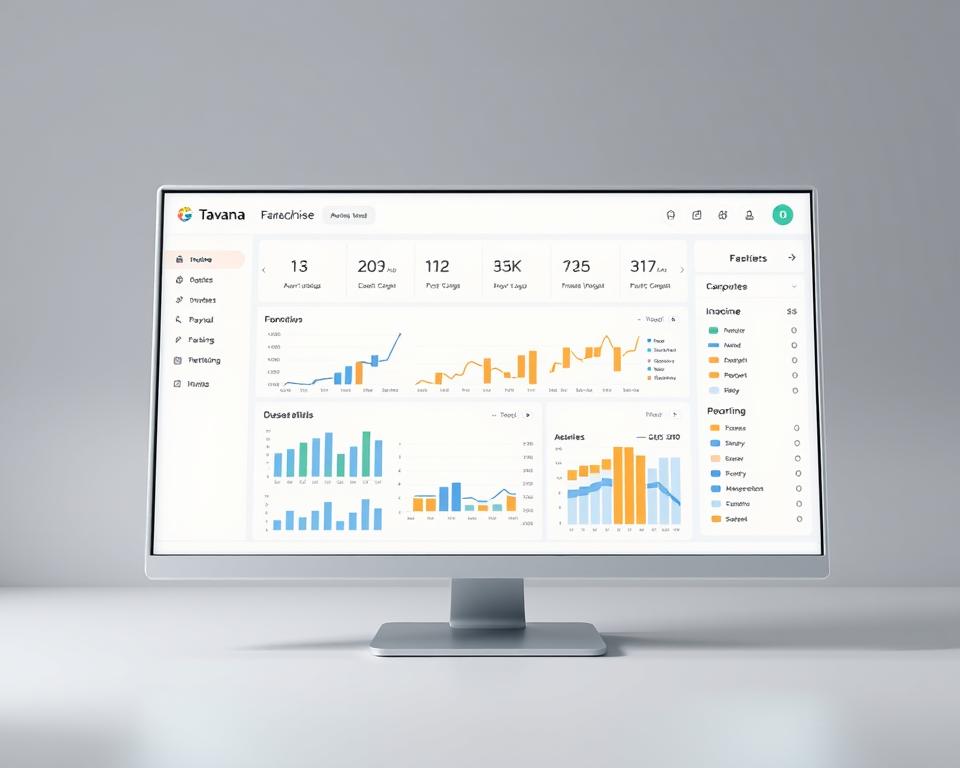
At first, Robyn used basic accounting software and manual methods for finance management. But, as the business expanded, she needed better franchisee accounting software. The initial setup didn’t have strong franchise financial analysis tools.
This made it hard for Robyn to track important performance metrics and make smart business choices.
Key Financial Challenges Identified
The case study showed the franchisee faced big financial problems. These issues hurt their profits. Looking at their financial records and how they managed money, we found several big challenges.
Royalty Payment Tracking Issues
The franchisee had trouble keeping track of royalty payments. This was because of manual mistakes and not having automated systems. It’s key to pay royalties on time and right to keep good relations with the franchisor and avoid fines.
Inventory Management Complications
Managing inventory was hard for the franchisee. They had problems with too much or too little stock. This cost money and lost sales. A good inventory system is needed to manage stock well and keep cash flowing.

Tax Compliance Struggles
The franchisee had trouble with tax compliance, mainly with franchise tax planning. Keeping up with taxes and using deductions needed a good grasp of tax laws. Good tax planning helps lower taxes and avoid audits.
Financial Reporting Inconsistencies
Financial reports were not consistent for the franchisee. Without standard reports, it was hard to know the franchise’s real financial state. Using franchisee budgeting and standard reports can make finances clearer and help make better decisions.
| Challenge | Impact | Solution |
|---|---|---|
| Royalty Payment Tracking | Potential penalties, strained franchisor relationship | Automated tracking systems |
| Inventory Management | Unnecessary storage costs, lost sales | Effective inventory management systems |
| Tax Compliance | Tax liabilities, audits | Professional tax planning |
| Financial Reporting | Inaccurate financial assessments | Standardized reporting protocols |
Implementing Effective Franchisee Accounting Solutions
To get clear on your finances and follow the rules, you need good accounting. This means taking a few important steps. These steps will help you manage your money better and improve your business.
Franchisee Accounting Software Selection and Integration
Finding the right accounting software is key. Look for software made for franchises. It should track royalties, manage inventory, and report on finances. QuickBooks and Xero are great choices because they’re easy to use and have lots of features.
After picking your software, you need to connect it with your current systems. This means linking it to your POS, bank, and other financial tools. This ensures your data flows smoothly.
Customized Chart of Accounts Development
A tailored chart of accounts is crucial. It helps you organize your money right. Make sure it includes accounts for things like royalty payments and marketing. This way, your financial reports will be clear and useful.
Standardized Financial Reporting Protocols
Having set financial reporting rules is important. This means regular reports, clear report content, and making sure everyone gets the info they need. You’ll need balance sheets, income statements, and cash flow statements.
Staff Training and Adoption
Your team needs to know how to use the new accounting tools. Give them good training and support. Use rewards and feedback to help them get on board.

With these steps, you’ll manage your finances better, cut down on mistakes, and make smarter choices for your business.
Franchisee Bookkeeping Best Practices from Our Case Study
To run a profitable franchise, you need solid bookkeeping practices. Our case study shows how crucial it is to keep accurate and timely financial records. This helps you make smart business decisions.
Daily and Weekly Accounting Routines
Setting up daily and weekly accounting routines is key. It keeps you on top of your franchise’s money matters. This includes recording sales, managing bills and payments, and checking bank statements. It helps spot any problems early.
Month-End Closing Procedures
Month-end closing is vital for accurate financial records. It involves closing accounts, making journal entries, and preparing financial statements. Accurate month-end closing procedures let you check your franchise’s financial health and make changes if needed.
Documentation and Record-Keeping Systems
Having a good system for keeping financial records is essential. This means keeping track of all financial transactions, tax returns, and important documents. Efficient record-keeping makes it easy to access and review your financial data. It also helps you follow the law.
By following these bookkeeping best practices, you can keep your financial records in order. This helps you make informed decisions and grow your franchise.
Financial Analysis and Performance Metrics
Looking at financial performance metrics helps franchisees spot areas to improve. By checking financial data often, you can understand your franchise’s health. Then, you can change your plans to fit.
Before and After Financial Metrics
Looking at financial metrics before and after changes can show a lot. For example, our case study showed big improvements in financial reports after using a special accounting software.
Key improvements included:
- Less financial reporting mistakes
- Quicker financial data processing
- Improved cash flow management
Key Performance Indicators for Franchisees
Important KPIs like revenue growth, profit, and expenses are key for franchisees. These metrics show how your franchise does compared to others and your goals.
| KPI | Description | Importance |
|---|---|---|
| Revenue Growth | Percentage change in revenue over a period | Shows sales performance |
| Profitability | Net profit as a percentage of revenue | Indicates financial health |
| Operating Expenses | Expenses as a percentage of revenue | Helps in cost management |
Using Financial Data for Strategic Decision-Making
Financial data is more than just for reports; it’s for making smart choices. By looking at your financial metrics, you can spot trends and make better decisions for your franchise.
For instance, if you see a steady rise in a certain expense, you can find out why and fix it. Also, if some products or services are doing great, you can invest more in them.
Franchisee Budgeting and Tax Planning Strategies
Effective budgeting and tax planning are key for your franchise’s financial health. By making realistic budgets and using tax deductions, you can boost your profits.
Creating Realistic Franchise-Specific Budgets
To make a realistic budget, you need to know your franchise’s financial details. This includes your income, fixed costs, and variable expenses. Accurate forecasting helps you prepare for challenges and make smart choices. Use historical data and industry standards to guide your budgeting.
Franchise-Specific Tax Deductions
Franchisees can get tax breaks specific to their business. These might include deductions for royalty payments, ad fees, and some operational costs. Working with a tax expert is key to finding all eligible deductions and following tax laws.
Quarterly Planning and Audit Preparation
Quarterly planning keeps you on track with your financial goals and gets your business ready for audits. Regularly check your financials against your budget and tweak your plans if needed. Keeping accurate and detailed financial records is vital for audit readiness.
By using these strategies, you can improve your franchise’s financial health and make better business choices.
Conclusion: Applying These Insights to Your Franchise Business
Effective franchisee accounting is key to your business’s success. By using what we learned, you can better manage your finances. This will help you make smart choices to grow your business.
Good franchisee accounting lets you keep track of payments, manage stock, and follow tax rules. With accounting services for franchisees, you can make your financial work easier. This way, you can focus more on growing your business.
If you want to improve your accounting or find the right franchise, Tavana Franchise consultants can help. They know a lot about managing finances in franchises. They’ll guide you to reach your business goals.