
When you think about franchising, knowing how the franchisee and franchisor work together is key. The franchise model lets big brands grow fast. It also gives people a chance to run their own businesses with less risk.
If you’re thinking about becoming a franchisee, it’s important to understand what each side does. The franchisor gives you the brand, business plan, and support. You, as the franchisee, run the business following the franchisor’s rules.
Want to learn more about franchising or find a good opportunity? Contact Tavana Franchise consultants. They’ll help you every step of the way.
Key Takeaways
- Understanding the franchisee-franchisor dynamic is essential for making informed decisions.
- The franchise model offers a balance between brand support and independent business operation.
- Franchisors provide the brand and business model, while franchisees operate the business.
- Personalized guidance is available through consultants like Tavana Franchise.
- Carefully evaluating the roles and responsibilities is crucial before entering a franchise agreement.
Understanding the Franchise Business Model
Franchising is a unique way to start a business. It combines being your own boss with the support of a well-known brand. This model lets you start a business with a brand name that people trust.
What Is a Franchise System?
A franchise is when a big company lets you run a similar business. You get to use their brand and system. This way, you can start a business with less risk.
The home organization industry is huge, worth $11.7 billion. Brands like The Tailored Closet help entrepreneurs succeed. By joining, you get marketing help, training, and more.
The Evolution of Franchising in the American Market
Franchising has been around in America since the 1800s. It has grown a lot, with many industries using it. Now, franchising is big in retail and services, with lots of brands to choose from.
| Industry | Franchise Brands | Market Value |
|---|---|---|
| Home Organization | The Tailored Closet, The Container Store | $11.7 billion |
| Fast Food | McDonald’s, Subway | $200 billion+ |
| Service | 7-Eleven, UPS Store | $40 billion+ |
If you want to learn about franchising, talk to Tavana Franchise consultants. They can help you understand the process and make a good choice.
The Franchisee vs Franchisor Relationship: Defining Roles
To understand franchising, knowing the roles of franchisors and franchisees is key. This knowledge helps both sides know their duties and what to expect. It’s vital for a franchise to succeed.
Who Is a Franchisor?
A franchisor owns the brand, trademarks, and systems of a franchise. They work to keep the brand’s reputation high. They also offer support and training to franchisees.
Their job includes:
- Creating the business model and systems
- Offering training to franchisees
- Keeping brand standards and quality high
Rights and Powers of the Franchisor
The franchisor can enforce the franchise agreement. This ensures franchisees follow brand standards. They also provide ongoing support to help franchisees do well.
Key rights are:
- Keeping brand standards
- Getting royalties and fees
- Supporting marketing
Who Is a Franchisee?
A franchisee buys the right to run a franchise location. They handle the daily business tasks, following the franchisor’s systems and standards.
They are responsible for:
- Running the daily operations
- Following brand and operational standards
- Providing customer service
Investment and Operational Responsibilities
Franchisees invest in the business and manage it. They handle finances, staff, and follow the franchise agreement.
They manage:
- Finances and budgets
- Hiring and training staff
- Keeping operations up to standard
Key Differences in Business Ownership and Control
The main difference is in ownership and control. The franchisor owns the brand and systems. The franchisee owns the specific business location.
Key differences are:
| Aspect | Franchisor | Franchisee |
|---|---|---|
| Ownership | Owns the brand and systems | Owns the business location |
| Control | Keeps brand standards and quality | Handles daily operations |
The Legal Framework: Franchise Agreements and Obligations
Understanding franchise agreements and their obligations is key. As a franchisee, knowing the agreement’s terms is crucial for a good partnership with the franchisor.
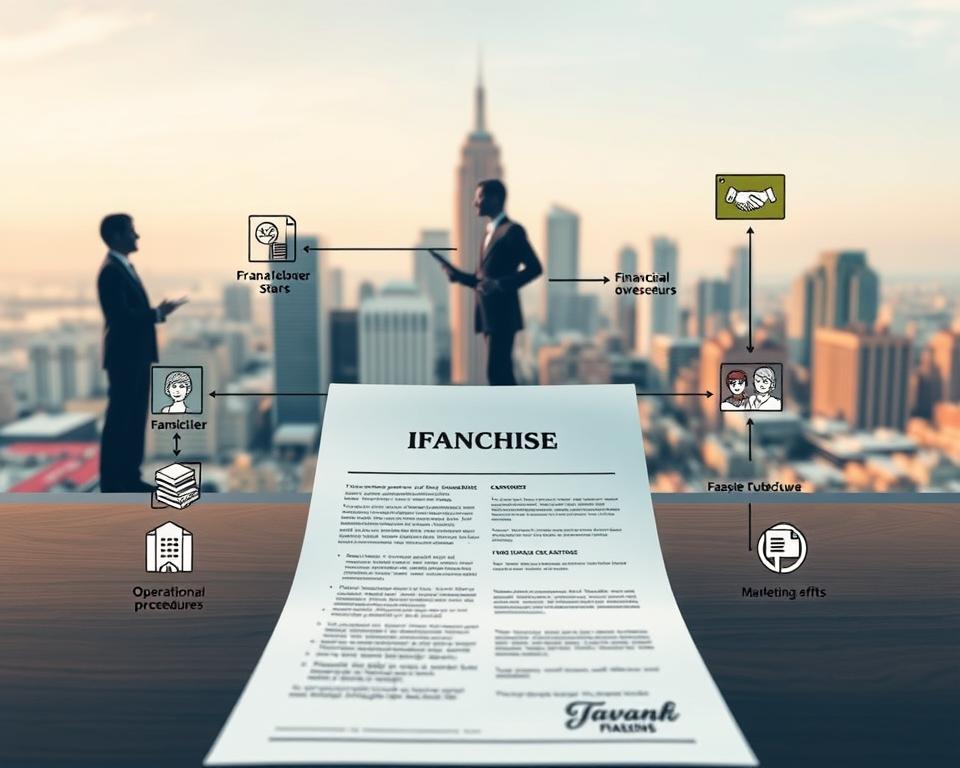
The franchise agreement is a detailed legal document. It covers fees, territory, operational standards, and how to end the agreement. It’s vital to read this document well to know your duties and the franchisor’s support.
Essential Components of Franchise Agreements
Franchise agreements have several important parts:
- Fees and Royalties: Details on initial fees, ongoing royalties, and other financial duties.
- Territory Rights: The area where you can operate.
- Operational Standards: Rules for keeping the brand consistent, like marketing and customer service.
- Termination Clauses: When the agreement can end for either side.
Knowing these parts helps manage your franchise well and prevents disputes.
Franchisor Support Programs and Requirements
Franchisors offer support to help franchisees succeed. This includes:
- Training Programs: Initial and ongoing training to ensure you have the skills and knowledge needed.
- Marketing Support: Help with local marketing and access to national campaigns.
- Operational Support: Guidance on keeping up with operational standards and solving common problems.
A franchise expert says, “The franchisor’s support level greatly affects the franchisee’s success.”
“A good support system is key for franchisees to face challenges and reach their goals.”
Franchisee Compliance and Territory Rights
As a franchisee, you must follow the agreement’s rules. This includes keeping the brand’s reputation and respecting territory rights to avoid conflicts with other franchisees.
By following the franchise agreement, you can build a successful business. It’s also important to use the franchisor’s support programs to improve your chances of success.
Case Studies: Analyzing Successful Franchisee-Franchisor Dynamics
In franchising, the bond between franchisees and franchisors is crucial. They work together, using the franchisor’s analysis and the franchisee’s local insight.

Case Study: Fast Food Chain Expansion Success
A well-known fast-food chain grew by working closely with its franchisees and franchisors. They used advanced real estate software to manage their properties well.
Challenges Overcome
The chain struggled to find the best locations and handle leases. But, with a strong real estate system, they solved these problems.
Support Systems Implemented
The franchisor gave a lot of help to its franchisees. They offered training and marketing help. This support helped franchisees run their businesses well and added to the franchise’s success.
Case Study: Service Industry Franchise Growth
A service industry franchise grew a lot by building a strong bond with its franchisees and franchisors. They communicated well and adapted to market changes.
Communication Strategies
The franchisor kept in touch with its franchisees through regular meetings and online forums. This kept everyone on the same page with the business plan.
Adaptation to Market Changes
The franchise was quick to adjust to market shifts. They used local knowledge and changed their plans as needed.
Key Success Factors in Franchise Partnerships
Several things make franchise partnerships successful. These include working together, talking well, and using technology to make things smoother.
| Success Factor | Description | Benefit |
|---|---|---|
| Collaborative Processes | Joint decision-making between franchisees and franchisors | Enhanced business strategy alignment |
| Effective Communication | Regular updates and feedback mechanisms | Improved franchisee-franchisor relationship |
| Technology Utilization | Use of commercial real estate software | Streamlined real estate portfolio management |
Conclusion: Creating Mutually Beneficial Franchise Relationships
The relationship between a franchisee and a franchisor is all about working together. They both aim for success. It’s important to know their roles, responsibilities, and financial parts in the franchise model.
To have a good franchise partnership, understanding the franchisee vs franchisor relationship is key. This knowledge helps you deal with franchising’s complexities. It also helps you make smart choices for your business.
If you want to find the right franchise opportunity, talk to Tavana Franchise consultants. They can help you at every step. They aim to create a partnership that benefits both sides and leads to success.